
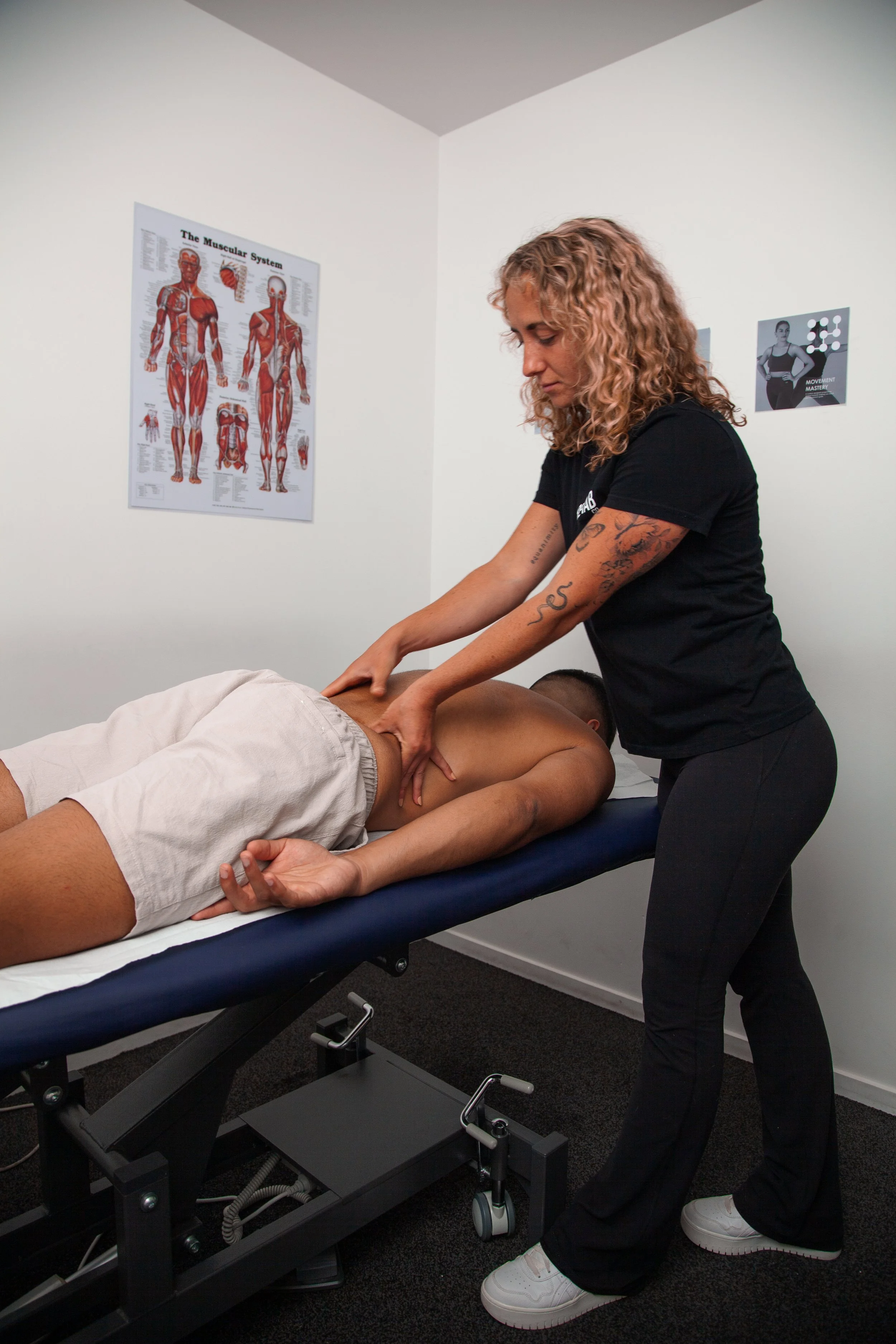
Lower Back Pain: Causes, Symptoms & How to Recover - Written by Physiotherapist Jack Myles
Lower back pain is probably the most common injury we see as physios. Over 80% of people will experience some form of low back pain during their lifetime. Unfortunately low back pain can also be one of the most debilitating injuries.
There is a famous saying that “you are only as old as your back”. I think having a back injury is a testament to this because it drastically changes your ability to navigate your everyday life. Simple tasks like sitting or tying your shoe laces become a tremendous effort. (which is incredibly frustrating!)
Now without getting too technical, there are different types of low back pain which are all treated slightly differently but for the most part, the advice in this blog can be applied in most cases.
Common Symptoms of Lower Back Pain
Sharp pain into your back or legs with bending or sudden movements
Constant or frequent dull achy pain in low back or legs
Slight loss of strength or balance in your legs
Increased pain with static postures
How long does your back take to heal?
This will depend on the severity of your back pain as well as other pre-existing factors. In most cases, people tend to fully recover in 6 to 8 weeks. Now this isn’t 6 weeks of your extreme pain and reduced function. 6 weeks refers to a full return to activity, where you are feeling confident and comfortable with your day to day tasks.
What can I do to help my low back pain?
The number 1 priority with your recovery is reducing your pain levels. When we have a low back injury, a lot of our muscles around the spine tense up to try to “protect” it. This leads to high levels of pain and reduced movement. There are a few easy ways that you can try to give you some relief.
The first priority is to offload your back:
This might seem like common sense to some but is something I remind my patients every day. If we keep moving into painful stimuli, our back is going to remain sore.
The second one being applying heat:
Applying a heat pack, wheat pack, hot water bottle etc… is a good way to help those muscles relax and give you some relief. It is important to know that this is only a temporary solution and likely won’t have any long lasting effects but is a good tool to have when your pain levels have been cranked up.
The third one is gentle mobility exercises:
Even though we are wanting to avoid painful movements, this doesn’t mean we should not move at all. In fact, a lot of people with back pain feel better when they are moving compared to when they are still. But what movements should you do? Here are a few I would recommend starting with.
1.Knee rocks
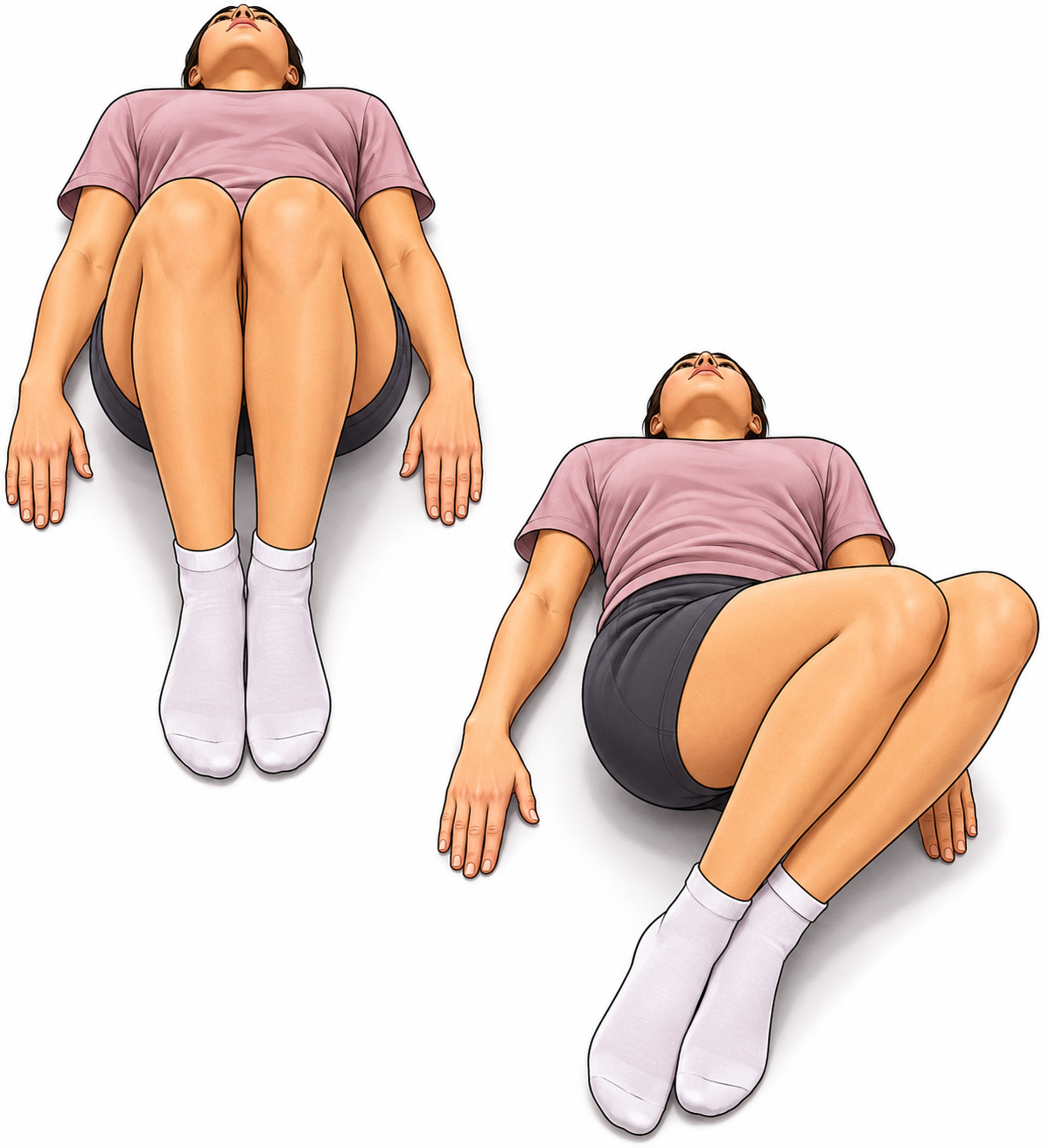
Lying on your back with your knee up and feet flat on the ground, gently rock your knees side to side within a PAIN FREE range. Even if this movement is minimal, it will help get your body used to movement again and begin the process of relaxing that hyper sensitive tissue. This is a good exercise to do before getting out of bed in the morning or after longer periods of being still2.
2.Cobras/sloppy pushups
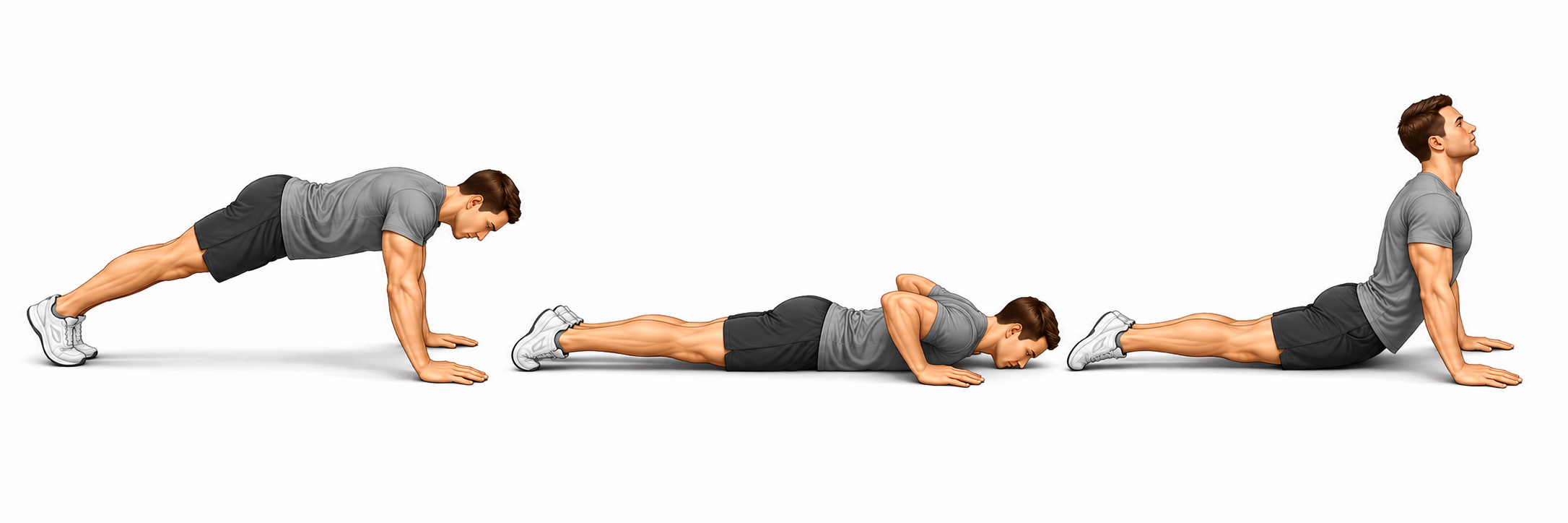
Lying on your front with your hands in a pushup position, while keeping your hips on the ground, gently push your chest upward away from the ground. Move within a pain free range of motion. Even if it is the tiniest movement, this will help progressively get your range back.
3.Pelvic tilts
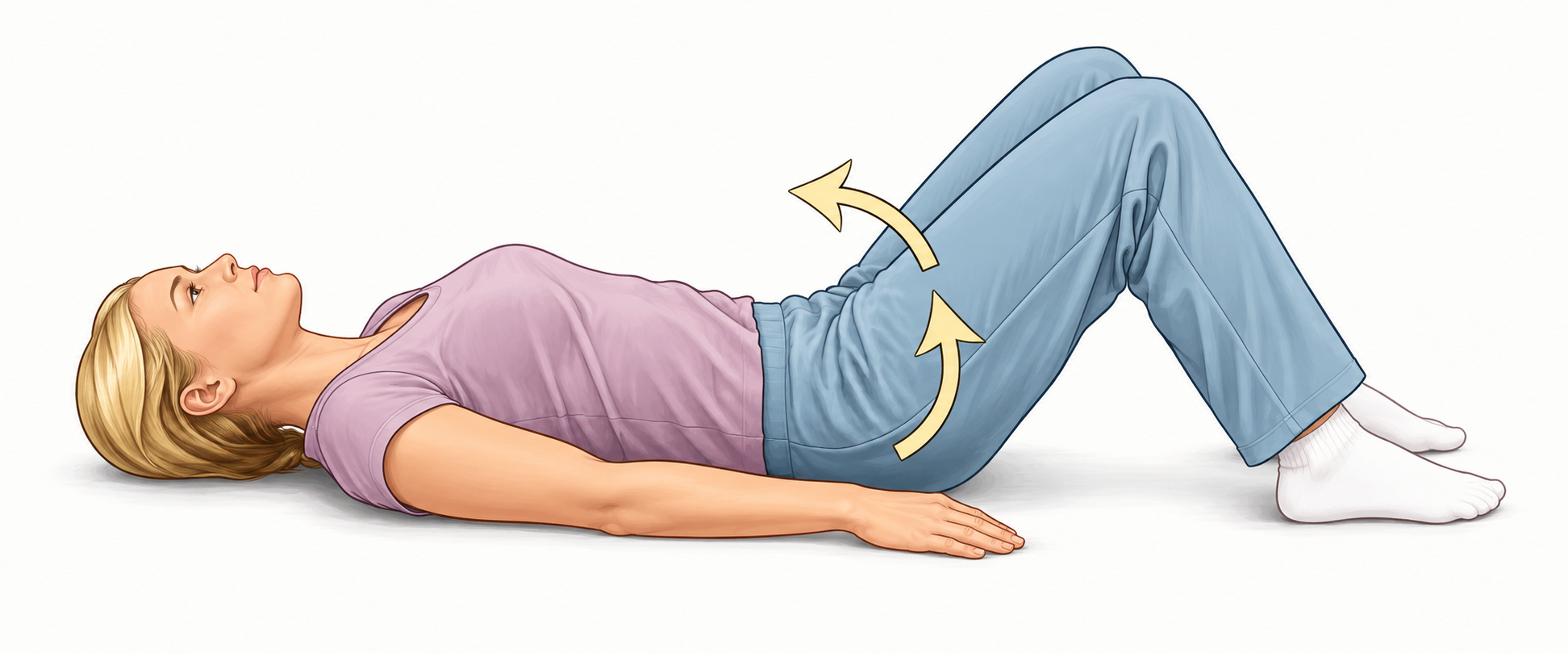
This one is to begin gentle core strengthening and to improve subtle movement in your back. If this one is painful for you then do not do this one.
Lying on your back with your knees bent and feet flat on the ground, place a hand under the arch of your back and the other hand on your tummy. While keeping your breathing steady, gently try and press your back into your hand as if you are trying to flatten your back onto the ground. Hold this position for 5-10 seconds before coming back to the starting position.
How does physiotherapy help with low back pain?
Physiotherapy is a vital part of navigating your low back pain. It can be incredibly debilitating and frankly quite overwhelming. Having an expert guide you through your recovery can help settle your concerns and keep you on the right track with a recovery plan specific to your own needs and goals. Your physio will also be able to point you in the right direction to other health professionals if necessary. Your sessions will usually include (but not limited to):
Soft tissue release or dry needling
Taping
Education
The good news is that low back pain injuries are almost always funded through ACC with some pathways being fully funded. We at Rehab Co are registered with ACC so if you are experiencing low back pain, book in with me (Jack) at the Christchurch clinic - or one of the team to get an assessment and to start your recovery.
We have 7 convenient locations across Auckland, Wellington and Christchurch, making it easy to find a Rehab Co clinic near you.